


Sustainable Practices Driving Circularity in Secondhand Clothing
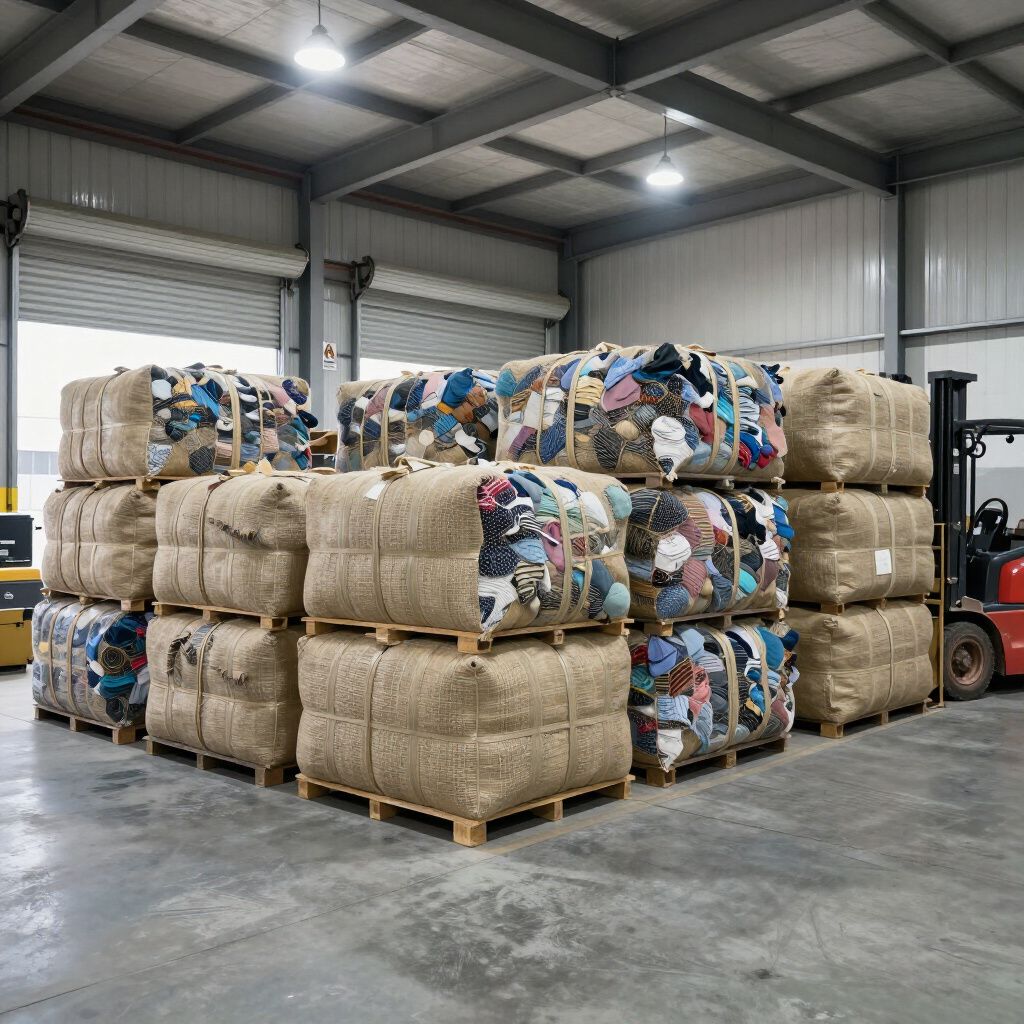
We supply bulk, unsorted, untouched secondhand goods collected directly from clothes recycling bins — ideal for exporters, wholesalers, recyclers, and sorting facilities.
Driving Circular Economy Through Clothing Reuse and Recycling
Our Circular Economy Initiatives
Sustainable Solutions
for Secondhand Clothing Supply
Circular Economy Commitment
Reusing and recycling unsorted clothing bales to reduce textile waste and extend garment life cycles.
Eco-Friendly
Our mixed goods include carefully sourced secondhand clothes and materials that support environmental conservation efforts.
Bulk Supply for Impact
Supplying large container volumes enables efficient logistics that lower carbon footprints across the global supply chain.
Sustainability & Circular Economy
DEK Clothing integrates circular economy principles by supplying unsorted secondhand clothing bales that extend garment lifecycles and reduce landfill waste. Our approach supports reuse and recycling within the textile industry, promoting resource efficiency and lowering environmental impact.
How does DEK Clothing support the circular economy?
We provide wholesale volumes of untouched secondhand clothing that enable sorting facilities and recyclers to recover valuable textiles. This process diverts materials from waste streams and encourages multiple reuse cycles, aligning with circular economy goals.What sustainable practices are implemented in your supply chain?
Our supply chain minimises handling and processing before export, reducing energy consumption and emissions. By sourcing directly from recycling bins and delivering in bulk container loads, we optimise logistics to lower our carbon footprint.
Can your products help reduce environmental impact?
Yes, by supplying unsorted secondhand clothing, we enable downstream partners to sort, reuse, and recycle textiles effectively. This reduces demand for virgin materials and decreases textile waste, contributing to environmental conservation.What types of clothing bales do you supply?
We offer unsorted, untouched bales containing mixed secondhand clothing sourced from recycling bins. These bales are export-ready and suitable for wholesalers, exporters, recyclers, and sorting facilities seeking bulk volumes.How do you measure your sustainability impact?
We track key metrics such as volume of textiles diverted from landfill, container shipments completed, and partnerships with recycling facilities. These indicators demonstrate our ongoing commitment to sustainable practices.